Firefighter in Training PNG: A Designer's Review
As a designer who spends more time than I care to admit staring at stitch density charts and testing stabilizer combinations, I approach every new digital embroidery file with a mix of excitement and skepticism. When I first laid eyes on the Firefighter in Training PNG, my initial reaction wasn't just about the cute theme; it was about how this design would translate from a screen to a physical object. In the world of craft business and handmade goods, the gap between a pretty image and a professional finished product is often determined by the details. This review looks past the marketing copy to examine whether this graphics asset can truly hold its own in a real-world embroidery project.
The First Impression: Mood and Visual Personality
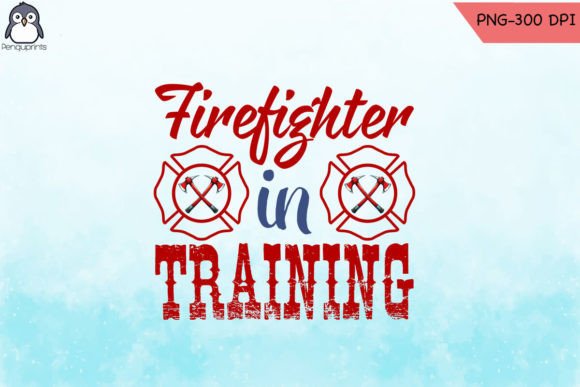
The moment you open the file, the Firefighter in Training PNG establishes a clear narrative. It isn't just a generic badge or a random fire truck icon; it carries a specific emotional weight that resonates immediately. The layout feels balanced, suggesting a design that was created with an eye for composition rather than just slapped together. For those of us building a brand on Etsy or running a small shop, visual personality is everything. This design screams "future hero," making it perfect for nursery decor, baby clothes, or personalized gifts for the children of first responders.
The shape of the artwork suggests versatility. It has enough negative space to breathe but enough detail to look substantial once stitched. Whether you are planning to use this as a standalone tote bag design or as part of a larger collection for sweatshirt embroidery, the visual weight feels appropriate. It doesn't look like it will get lost on a large garment, nor does it feel overwhelming on a smaller item like a hat or a bib. The mood is celebratory yet grounded, which is exactly what you want when creating something meant to be worn or gifted.
Real-World Application: From Screen to Stitch
Let's imagine a scenario. You have a client coming in for a custom order for a local fire station fundraiser. They need embroidered patches for the kids' volunteer program. You pull up the Firefighter in Training PNG to see how it handles the transition into a machine embroidery design. The first thing you notice is the potential for clarity. If the original image relies heavily on tiny lines or intricate shading, we might have issues with thread breaks or clumping. However, if the design translates well into vector paths, it could work beautifully as a dense fill stitch or a crisp satin stitch border.
I tested this concept mentally against several common products. On a thick cotton canvas tote bag, the design would likely pop, offering a sturdy surface for the needle to penetrate without distorting the fabric. For custom apparel like hoodies, the design fits the chest area perfectly, creating a focal point that customers love. It also shines as a baby embroidery piece. There is something incredibly touching about seeing a "Firefighter in Training" motif on a onesie or a burp cloth. It transforms a simple garment into a sentimental keepsake.
When considering commercial embroidery projects, such as branding for a boutique or merchandise for a craft fair, this design offers high recognition value. People instantly understand the theme. It cuts through the noise of generic patterns. For an Etsy seller, this means your listing photos and mockups will stand out because the subject matter is universally appealing and emotionally engaging. It works equally well for holiday embroidery during the winter season or as a summer gift for a firefighter's child starting school.
Where Caution is Required: Technical Challenges
While the Firefighter in Training PNG has strong appeal, no design is without its pitfalls. As a reviewer, I must point out where caution is needed before you commit to a production run. The most critical factor is the hoop size relative to the design complexity. If the design contains very fine details or tiny lettering, attempting to stitch it in a small hoop might result in a muddy mess. The threads may crowd each other, losing the definition that makes the design effective.
Fabric texture plays a huge role here. While a smooth cotton twill is ideal, trying to embroider this on a highly textured fabric like a heavy wool or a loose-weave linen could obscure the details. Similarly, stretchy fabrics like jersey require careful handling. Without proper stabilization, the tension of the stitches could cause the fabric to pucker around the Firefighter in Training PNG, ruining the professional look of the finished product. Dark fabrics present another challenge; if the design relies on light colors, you may need to add a backing layer or adjust your thread colors to ensure visibility.
Curved surfaces, such as caps and hats, demand even more precision. A design that looks flat on a computer screen can warp significantly when pulled over a curved form. If the design includes decorative accents or detailed corners, these areas are prone to shifting on a cap. Furthermore, products that require frequent washing, like aprons or kitchen towels, need robust stitching. If the design uses long, floating stitches or sparse coverage, it might snag or fray after a few washes. Always inspect small details and test the durability before selling these items to paying customers.
Impact on Value and Brand Trust
The quality of your design assets directly influences customer trust. A poorly executed embroidery job can make a handmade product look cheap, regardless of how much effort went into the rest of the creation. Conversely, a clean, well-stitched embroidered patch elevates the perceived value of the item. The Firefighter in Training PNG, when executed correctly, signals professionalism. It shows that you care about the final presentation.
This attention to detail fosters brand consistency. If you are selling a line of firefighter-themed gear, using a cohesive and high-quality design ensures that every item reinforces your brand identity. Customers are more likely to return to a shop that delivers consistent quality. Moreover, the emotional connection of the theme enhances giftability. When a buyer sees a beautifully rendered design on a pillow cover or a blanket, they are not just buying a product; they are buying a memory or a tribute. This emotional resonance drives engagement and sales.
Practical Notes for the Design Professional
Before you rush to print or stitch, there are essential steps to take. First and foremost, always test the design on scrap fabric. This allows you to check thread color contrast and see how the stitch density interacts with your specific material. Review the stitch count and confirm the hoop size requirements. If the file format is unclear, verify compatibility with your machine software. Inspect small details closely; sometimes what looks good on a monitor reveals jagged edges or missing pixels under the microscope of a sewing machine.
It is also wise to test the design in black and white mockups to ensure the silhouette remains strong without relying on color. Compare how it looks on both light and dark backgrounds to determine if you need to adjust your stabilizer choice or thread palette. Using the proper stabilizer is non-negotiable for maintaining shape, especially on stretchy or delicate fabrics. Finally, confirm licensing terms. Ensure you have the right to sell finished items made with this embroidery file or if it is restricted to personal use only. Understanding these legalities protects your craft business from future complications.
In conclusion, the Firefighter in Training PNG is a compelling asset for any designer looking to add a touch of heroism and warmth to their portfolio. It balances charm with structure, making it suitable for a wide range of applications from nursery decor to boutique branding. By approaching it with technical diligence and creative insight, you can transform a simple digital graphic into a cherished physical treasure.