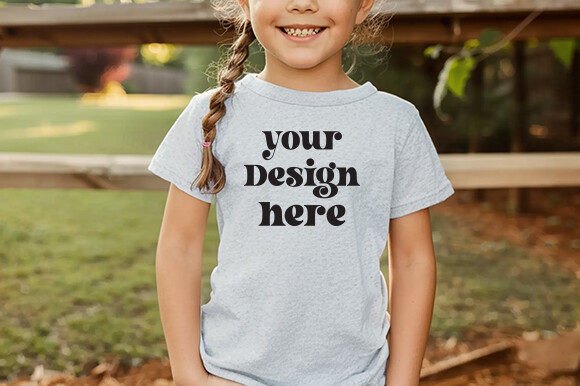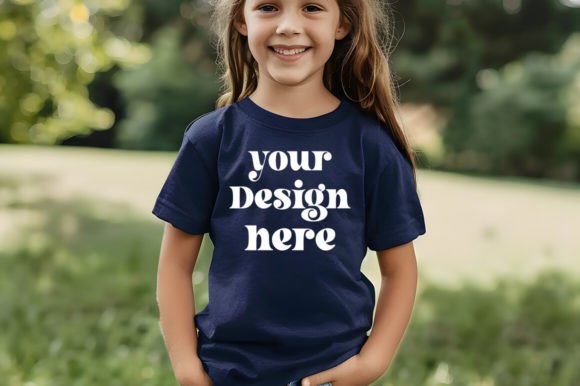
Reviewing the Gildan 500B Navy Mockup for Embroidery Projects
As a designer who spends half my day staring at stitch patterns and the other half worrying about client expectations, I have learned that presentation is just as critical as the actual embroidery. You can have the most technically perfect machine embroidery design, but if you cannot visualize how it translates from a digital file to a physical garment, you are flying blind. This is why I am taking a close look at the Gildan 500B Navy Mockup. While this tool might seem like a simple digital asset, its utility in bridging the gap between creative concept and finished product is significant for anyone running a craft business or selling on platforms like Etsy.
The First Impression: Why Navy?
When I first opened the Gildan 500B Navy Mockup, my immediate thought was about contrast. In the world of embroidery files, navy blue is not just a color; it is a canvas. It is dark enough to make white, metallic, and bright thread colors pop, yet soft enough to avoid the harshness of pure black. For an embroidery project that involves intricate details, this mockup provides a realistic baseline for judging visual impact.
The mood created by this specific mockup is professional, grounded, and versatile. It does not scream for attention with flashy graphics, which allows the focus to remain entirely on the design itself. Whether you are preparing a custom embroidered patch or designing a delicate baby embroidery piece, the navy background offers a neutral stage that feels premium. It suggests quality without distracting from the artistry of the Graphics category we are evaluating here.
Real-World Application: From Screen to Stitch
I recently used this mockup to prepare a proposal for a client who wanted personalized aprons for a local bakery. The challenge was demonstrating how their logo would hold up against the fabric texture. By placing the vector artwork into the Gildan 500B Navy Mockup, I could simulate the final look before committing to any stitching. This step is crucial for commercial embroidery because it builds trust. When a client sees a realistic preview, they are more confident in the finished product.
This mockup is particularly effective for several common scenarios:
- Custom Apparel: Visualizing how a sweatshirt embroidery will sit on the chest or back of a heavy cotton blend.
- Boutique Branding: Showing how a small logo looks on tote bags or hats, helping Etsy sellers create compelling listing images.
- Personalized Gifts: Previewing names and dates on baby clothes or nursery decor, where clarity is key.
By using this tool, designers can ensure that their design assets are not just abstract shapes but tangible products. It helps answer the question: "Will this look good when stitched?"
Technical Considerations and Design Clarity
While the mockup provides a visual guide, it is essential to remember that it is a representation, not the final stitch. As experienced embroiderers know, the difference between a digital image and a stitched design lies in stitch density, thread texture, and fabric behavior. However, the Gildan 500B Navy Mockup serves as an excellent starting point for evaluating these elements.
For instance, when reviewing a complex applique design or one with fine satin stitch details, the navy background helps identify potential issues with spacing. If the details look muddy in the mockup, they will likely be even harder to resolve in thread. Conversely, bold fill stitch areas tend to stand out well against this deep blue, suggesting that designs with large solid blocks of color will perform beautifully on similar garments.
It is also worth noting how the mockup handles typography. If your embroidery project includes lettering, such as a monogram or a quote, the navy background allows you to assess legibility. Small fonts can get lost in busy backgrounds, but on this clean, solid navy field, you can quickly determine if a font size is too small for practical stitching.
Where Caution Is Needed
There are limitations to what any static mockup can convey. The Gildan 500B Navy Mockup assumes a flat, woven surface. It does not account for the stretch of knit fabrics or the curvature of items like caps. Therefore, while it is excellent for planning, it should not replace physical testing. Here are areas where you must exercise extra judgment:
- Small Hoop Sizes: Designs intended for tiny hoops may lose detail that appears acceptable in a full-size mockup.
- Textured Fabrics: A smooth cotton tee in the mockup behaves differently than a ribbed sweatshirt or a nubby wool blend.
- Dense Stitch Areas: High-density designs may pucker fabric, a distortion not visible in a digital preview.
- Thread Contrast: While navy works for light threads, dark threads (like black or dark green) may disappear. Always check your thread colors against the background.
Boosting Product Value and Customer Trust
In the competitive landscape of handmade goods, professionalism sets you apart. Using high-quality mockups like the Gildan 500B Navy Mockup signals to customers that you care about the presentation of your work. It elevates the perceived value of your handmade product. When a customer browsing an online shop sees a crisp, realistic image of their potential gift, they are more likely to convert.
Furthermore, this mockup supports brand consistency. If you use the same navy backdrop across your social media posts, Etsy listings, and catalog, you create a recognizable visual identity. This consistency reinforces your status as a serious small shop product creator rather than a hobbyist. It shows that you understand the importance of marketing alongside craftsmanship.
Practical Designer Notes for Implementation
To get the most out of this resource, follow these practical steps before finalizing your embroidery project:
- Test on Scrap Fabric: Never assume the mockup is accurate. Stitch your design on a scrap piece of the actual fabric you plan to use. This reveals how the stabilizer interacts with the material and how the threads lay.
- Check Black and White Versions: Convert your mockup to grayscale. This helps you evaluate the contrast and balance of your design independent of color bias.
- Inspect Small Details: Zoom in on the mockup to ensure that tiny elements, such as corners of letters or decorative accents, are clear. If they are blurry digitally, they will be illegible when stitched.
- Confirm Licensing: Before using the mockup for commercial embroidery or selling digital templates, verify the licensing terms. Ensure you have the right to display client logos or sell the final items.
- Compare Backgrounds: Test your design on both light and dark backgrounds. Sometimes a design that looks great on navy may fail on white, revealing a lack of versatility.
Final Verdict
The Gildan 500B Navy Mockup is a reliable, straightforward tool for designers who want to bridge the gap between digital creation and physical reality. It excels in showcasing custom apparel, tote bag design concepts, and holiday embroidery projects where contrast and clarity are paramount. While it cannot replace the tactile experience of stitching, it provides a vital visual checkpoint that saves time and reduces errors.
For embroidery designers, Etsy sellers, and creative entrepreneurs, incorporating this mockup into your workflow is a smart move. It enhances your ability to communicate ideas, build client confidence, and present your finished product with the professionalism it deserves. Just remember to pair this digital preview with careful physical testing to ensure every stitch meets your high standards.